


Beyond Weight Loss – Understanding Obesity and Metabolic Health
Q1. What is obesity, and why is it considered a disease rather than just excess weight?
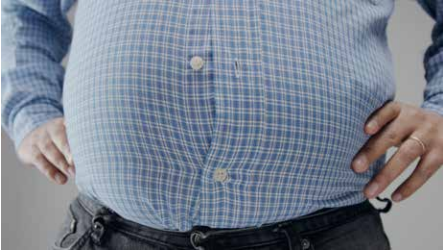
Obesity is defined by the World Health Organization (WHO) as “abnormal or excessive fat accumulation that presents a risk to health.” For the Indian population, obesity begins at a BMI > 28 kg/m² and a waist circumference > 90 cm. Obesity leads to metabolic, hormonal, and inflammatory changes that increase the risk of—and worsen—conditions such as type 2 diabetes, hypertension, heart, kidney, liver, and thyroid diseases, hypogonadism, and certain cancers.
The mechanical burden of obesity also causes early degeneration of the heart, lungs, spine, and weight-bearing joints. Scientifically, obesity is recognised as a chronic, serious disease. While lifestyle and behavioural changes, healthy diets, and exercise are important components of treatment, “just diet and willpower” do not significantly help patients once the BMI crosses 30 kg/m².
At this stage, appropriate medical evaluation and evidence-based scientific treatments play a crucial role in reversing obesity and its related diseases.
Q2. Who is the right candidate for bariatric/metabolic surgery?
Patients with a BMI ≥ 35 kg/m², with or without obesity-related diseases (such as diabetes, hypertension, or sleep apnea), are eligible.Recent guidelines suggest that to achieve the best long-term results—especially to prevent rapid exhaustion of pancreatic beta-cell mass—bariatric and metabolic surgery should be offered to patients with obesity above a BMI of 35 kg/m².
Surgery may also be considered for individuals with a BMI of 30–34.9 kg/m² who have type 2 diabetes and central obesity, particularly in Asian populations where metabolic risk occurs at lower BMI levels. A thorough medical, nutritional, and psychological evaluation is essential to ensure that the patient is fit for surgery and committed to long-term follow-up.
Q3. Do patients still need lifestyle changes after bariatric surgery?
Yes. Surgery is a powerful tool, but it works best when combined with behavioural changes. Patients should follow a protein and fibre-based, nutrient-dense diet, engage in regular physical activity, stay hydrated, avoid smoking, and take prescribed vitamin and mineral supplements.
Without proper lifestyle support and follow-up, weight regain or nutritional deficiencies may occur. Long-term success depends on commitment, regular monitoring, and a multidisciplinary healthcare team.
Q4. How do weight-loss medications like GLP-1 agonists compare to surgery?
Medications such as GLP-1 agonists have shown meaningful weight loss (approximately 10–15% of excess weight) and improved diabetes control. However, large-scale evidence
indicates that bariatric surgery typically results in greater and more durable weight loss (over 50–60% of excess weight) and higher rates of diabetes and other disease remission.
In selected patients, a combination of medication and surgery may be appropriate, but this decision must be individualised and guided by a specialist.
Q5. Why is obesity and diabetes awareness especially important in India?
In India, people tend to develop type 2 diabetes and metabolic complications at a younger age and at lower BMI levels compared to Western populations, due to higher visceral fat and genetic predisposition.
This makes early awareness, screening, and timely referral for metabolic health extremely important. With the rising “twin epidemics” of obesity and diabetes, population-level education and early scientific intervention are far more effective than waiting for advanced complications.
Q6. Is bariatric surgery only for very obese people who have “failed dieting”?
No. The belief that surgery is merely a last resort after diet failure is outdated. Emerging guidelines recognise metabolic surgery as a valid treatment option for people with moderate to severe obesity and diabetes or related diseases. Early referral, when eligibility criteria are met leads to significantly better outcomes.
Q7. Message for every healthcare professional
Obesity and type 2 diabetes are treatable medical diseases—not just lifestyle issues. Early intervention through healthy habits, timely medical therapy, or metabolic surgery when indicated can add many healthy years to a patient’s life.
Do not wait for complications. For patients with excess weight, elevated blood sugar, or related conditions, early referral leads to better outcomes.
Obesity is defined by the World Health Organization (WHO) as “abnormal or excessive fat accumulation that presents a risk to health.” For the Indian population, obesity begins at a BMI > 28 kg/m² and a waist circumference > 90 cm. Obesity leads to metabolic, hormonal, and inflammatory changes that increase the risk of—and worsen—conditions such as type 2 diabetes, hypertension, heart, kidney, liver, and thyroid diseases, hypogonadism, and certain cancers.
The mechanical burden of obesity also causes early degeneration of the heart, lungs, spine, and weight-bearing joints. Scientifically, obesity is recognised as a chronic, serious disease. While lifestyle and behavioural changes, healthy diets, and exercise are important components of treatment, “just diet and willpower” do not significantly help patients once the BMI crosses 30 kg/m².
At this stage, appropriate medical evaluation and evidence-based scientific treatments play a crucial role in reversing obesity and its related diseases.
Q2. Who is the right candidate for bariatric/metabolic surgery?
Patients with a BMI ≥ 35 kg/m², with or without obesity-related diseases (such as diabetes, hypertension, or sleep apnea), are eligible.Recent guidelines suggest that to achieve the best long-term results—especially to prevent rapid exhaustion of pancreatic beta-cell mass—bariatric and metabolic surgery should be offered to patients with obesity above a BMI of 35 kg/m².
Surgery may also be considered for individuals with a BMI of 30–34.9 kg/m² who have type 2 diabetes and central obesity, particularly in Asian populations where metabolic risk occurs at lower BMI levels. A thorough medical, nutritional, and psychological evaluation is essential to ensure that the patient is fit for surgery and committed to long-term follow-up.
Q3. Do patients still need lifestyle changes after bariatric surgery?
Yes. Surgery is a powerful tool, but it works best when combined with behavioural changes. Patients should follow a protein and fibre-based, nutrient-dense diet, engage in regular physical activity, stay hydrated, avoid smoking, and take prescribed vitamin and mineral supplements.
Without proper lifestyle support and follow-up, weight regain or nutritional deficiencies may occur. Long-term success depends on commitment, regular monitoring, and a multidisciplinary healthcare team.
Q4. How do weight-loss medications like GLP-1 agonists compare to surgery?
Medications such as GLP-1 agonists have shown meaningful weight loss (approximately 10–15% of excess weight) and improved diabetes control. However, large-scale evidence
indicates that bariatric surgery typically results in greater and more durable weight loss (over 50–60% of excess weight) and higher rates of diabetes and other disease remission.
In selected patients, a combination of medication and surgery may be appropriate, but this decision must be individualised and guided by a specialist.
Q5. Why is obesity and diabetes awareness especially important in India?
In India, people tend to develop type 2 diabetes and metabolic complications at a younger age and at lower BMI levels compared to Western populations, due to higher visceral fat and genetic predisposition.
This makes early awareness, screening, and timely referral for metabolic health extremely important. With the rising “twin epidemics” of obesity and diabetes, population-level education and early scientific intervention are far more effective than waiting for advanced complications.
Q6. Is bariatric surgery only for very obese people who have “failed dieting”?
No. The belief that surgery is merely a last resort after diet failure is outdated. Emerging guidelines recognise metabolic surgery as a valid treatment option for people with moderate to severe obesity and diabetes or related diseases. Early referral, when eligibility criteria are met leads to significantly better outcomes.
Q7. Message for every healthcare professional
Obesity and type 2 diabetes are treatable medical diseases—not just lifestyle issues. Early intervention through healthy habits, timely medical therapy, or metabolic surgery when indicated can add many healthy years to a patient’s life.
Do not wait for complications. For patients with excess weight, elevated blood sugar, or related conditions, early referral leads to better outcomes.